1. Introduction
[1.1] Television and film promotion is a core feature of San Diego Comic-Con. In addition to panels and booths inside the convention center, networks and studios create activations, that is, pop-up branded experiences that take the forms of escape rooms, interactive sets, and themed restaurants. Activations cluster close to the convention center, often not more than a block or two away. Increasingly elaborate in size and scope—Amazon's 2019 Prime Video Experience took up 60,000 square feet—activations draw fan attention by promising an immersion in familiar and new storyworlds. Activations are part of the experience economy and are driven by a belief in experiential marketing, both of which prioritize in-person, affective, memorable experiences as strategies for creating brand loyalty (Batat 2019; Pine and Gilmore 2019). The most ambitious activations blend experiential marketing with immersive theater by asking attendees to become active participants in playing through an improvised scene taking place in the world of Blade Runner 2049 (SDCC 2017), The Good Place (SDCC 2018), or Brooklyn Nine-Nine (SDCC 2019), to name just a few examples from recent years (Kohnen 2021a). The inclusion of videos recorded specifically for SDCC is a common practice among the most elaborate activations; for example, both the 2018 The Good Place and the 2019 Brooklyn Nine-Nine activations featured videos by the shows' casts, who recorded in-character greetings and prompts for participants. These videos heighten a sense of immersion and exclusivity. In 2019, Comic-Con attendees could explore thirteen activations of varying degrees of immersion (figure 1). Pre-Covid, about five thousand people visited an activation over the four days of SDCC (Jarvey 2018). Fans accorded activations the same importance as the core programming at SDCC. In the following essay, I sketch out industry and fans' reassessment of activations at SDCC as the convention transformed into Comic-Con@Home.
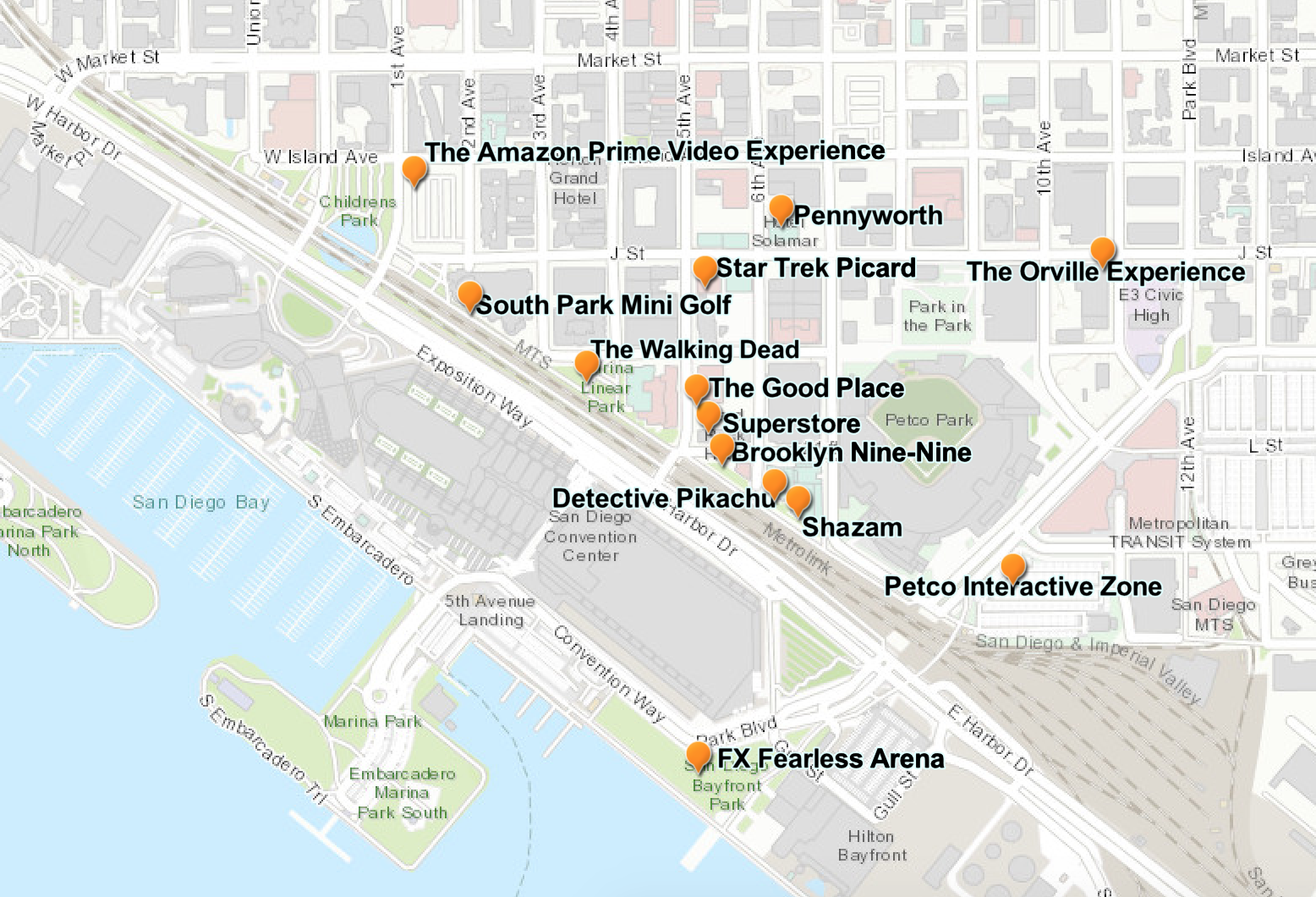
Figure 1. Locations of major activations in 2019 (map created by the author).
2. Industrial changes
[2.1] Considering activations' emphasis on location-based, in-person experiences, the shift online required a retooling of what activations can be. This retooling held on to the emphasis on space as a key concept of an activation, as online activations took the form of virtual escape rooms, games, and 3D shopping experiences. At the same time, companies temporally distanced their activations from SDCC. Instead of offering activations in conjunction with Comic-Con@Home in July, established SDCC exhibitors like Netflix and DC Comics created in-house stand-alone fan events at other points during the year. Likewise, major retailers like Funko and Hasbro created direct-to-fan events. While the shift to Comic-Con@Home forced brands to reimagine activations as online experiences, the move toward siloed and gated spaces was already in motion pre-Covid.
[2.2] Activations in downtown San Diego gained increasing popularity as a marketing tool in the 2010s. Pre-2018, most activations were free to access; they did not require monetary payment to enter, and they allowed fans to walk onto and roam the space of the activation (figure 2). From 2018 onward, many of the biggest activations began to fence in their spaces and demanded registration at the entrance: while fans previously paid for access by waiting in line (Hanna 2019), they had to hand over personal information, often encoded into RFID wristbands, for entry (figure 3). As activations grew in size and cost, return on investment beyond social media buzz and trade press coverage became important. Precise information about who attended activations and the possibility of follow-up targeted emails became desirable ROI. Moreover, these shifts went hand in hand with brands' increasing interest in acquiring first-party data from consumers and fans (Kohnen 2021a).
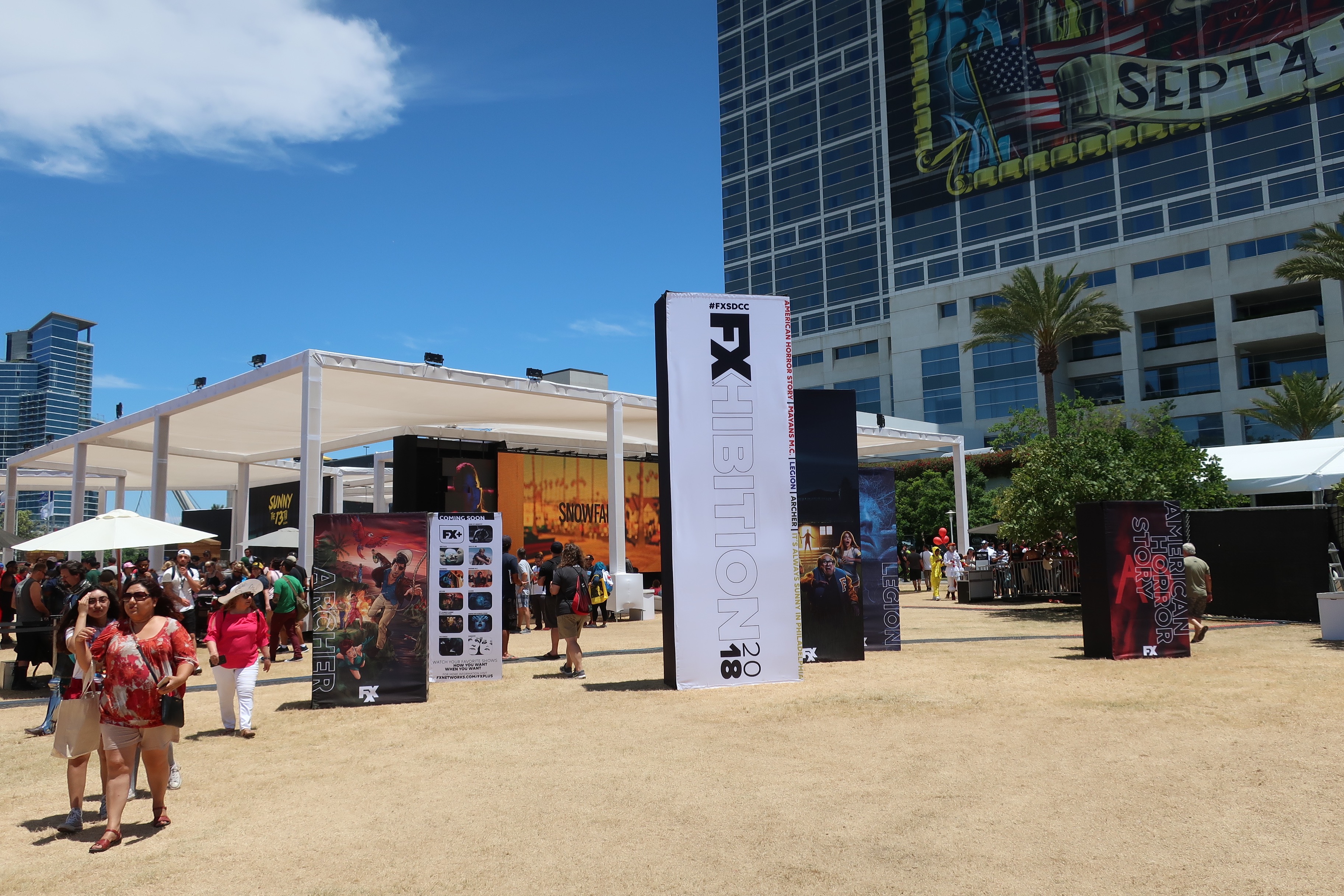
Figure 2. FX Exhibition 2018. Photo by the author.
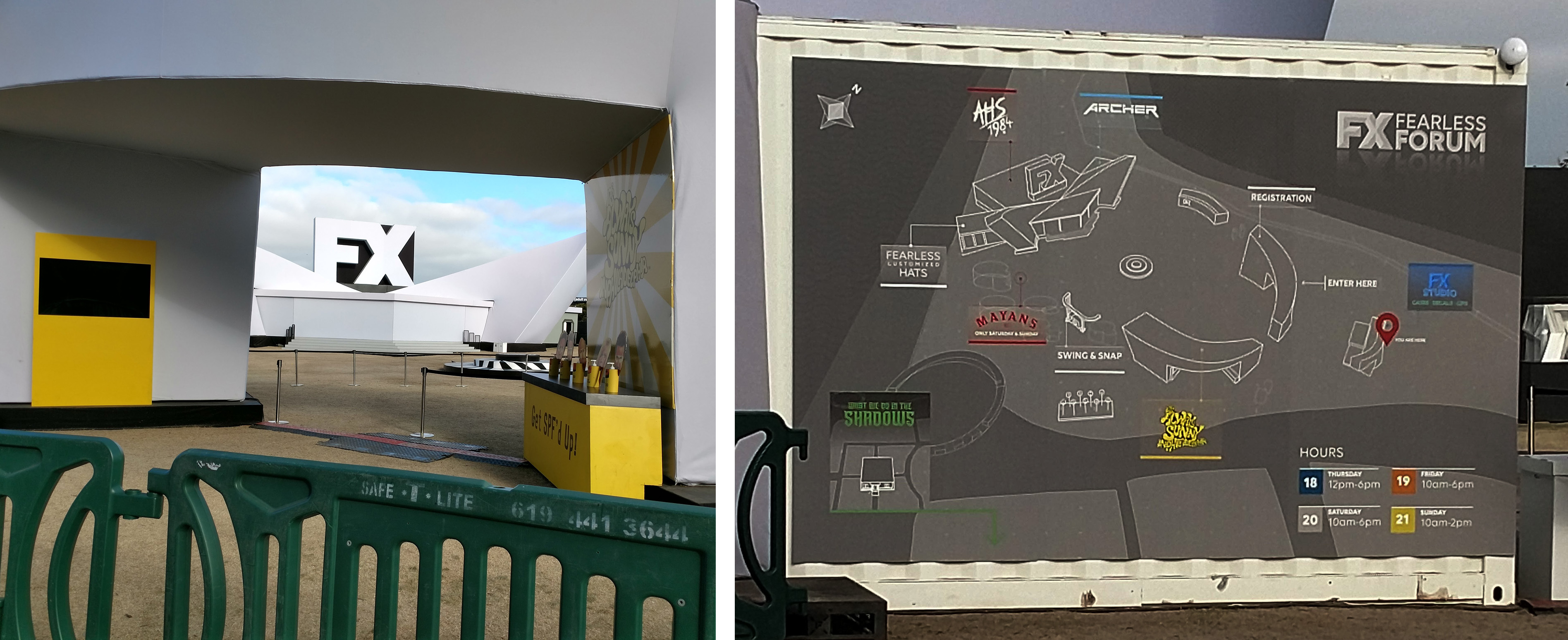
Figure 3. A view into and map of FX's 2019 activation. Photos by the author.
[2.3] When SDCC went online in 2020, so did activations. Brands created events on their own platforms but in affiliation and simultaneously with SDCC, similar to how activations were spatially adjacent to the San Diego Convention Center prepandemic. For example, FX presented FX Unlocked and Amazon hosted Amazon Virtual Con (figure 4). FX worked with experiential marketing agency Creative Riff to transform planned in-person activations into virtual experiences (Zelaya 2020). The video game Guillermo's Stakeout to promote What We Do in the Shadows (FX, 2019–present) was the most elaborate activity featured on FX Unlocked and most clearly retained an emphasis on a spatially immersive experience. The game featured several levels located in and around the mansion familiar from the show, and players assumed the identity of Guillermo as he fought off vampires and werewolves (figure 5). Every day, the top fifty fans on the leaderboard won a deck of playing cards that was released exclusively for Comic-Con, a strategy to incentivize multiple playthroughs of the game.
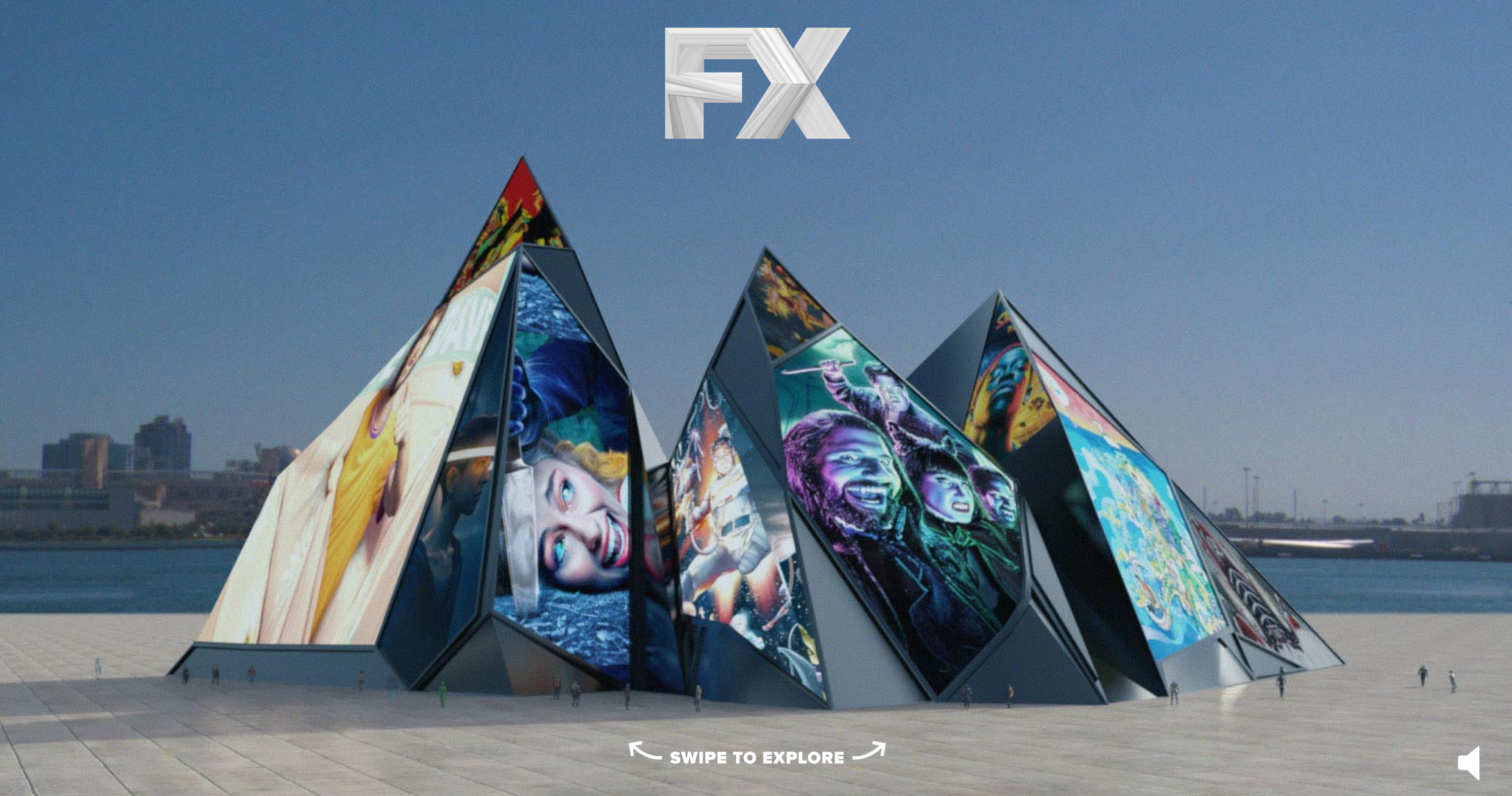
Figure 4. The landing page of FX Unlocked. Screenshot by the author.
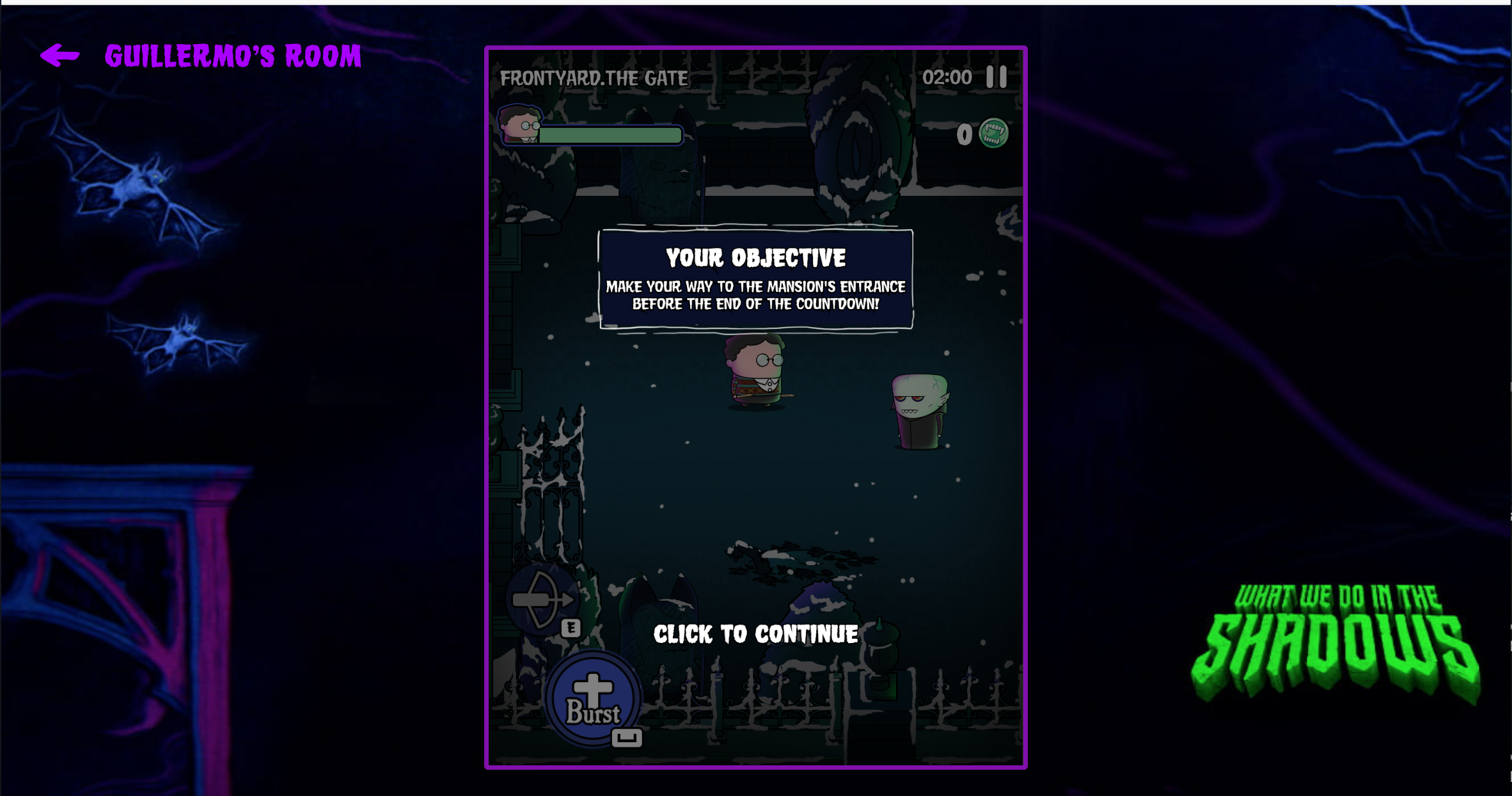
Figure 5. Guillermo's stakeout. Screenshot by the author.
[2.4] Amazon Virtual Con featured a wide range of content promoting their brands Prime Video, Twitch, Comixology, and IMDB, including prerecorded panels, news, and previews. The Interactive section introduced Hanna Unlocked, a virtual escape room created in collaboration with The Escape Game to promote the second season of Amazon original Hanna (2019–2021). Participation in Hanna Unlocked required signing up with one's full name, email address, and zip code. In the game, participants were recruited as Utrax agents, which included the creation of a personnel badge featuring one's name and photo (figure 6). The game comprised map-based and text-based puzzles along with video clues, some of which featured actors from the show. In addition to Hanna Unlocked, Amazon Virtual Con also offered a free T-shirt or tote bag with designs promoting Amazon original The Boys (2019–present), which required fans to share their name and address to receive the item.
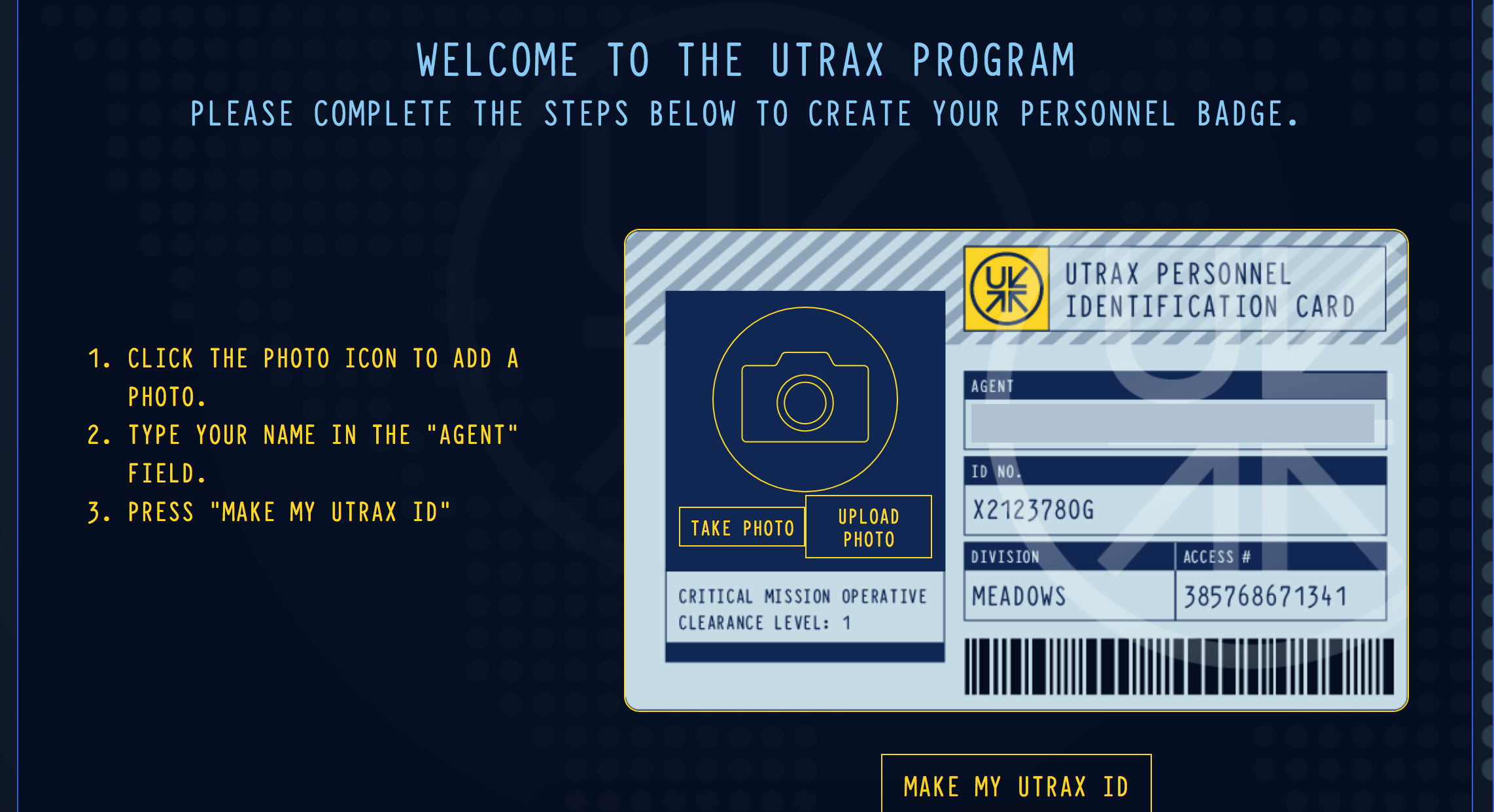
Figure 6. Utrax personnel badge sign-up form. Screenshot by the author.
[2.5] As the industry scrambled to transform planned in-person activations into online experiences, they discovered that virtual games and escape rooms offered a direct way to obtain first-party data from fans. Referencing Creative Riff CEO Ryan Coan and FX Marketing SVP Kenya Haraway, AdWeek writer Ian Zelaya observes that direct engagement with a larger audience and the possibility to "capture engagement metrics more easily made virtual activations an attractive prospect for brands during a time when in-person events did not take place" (2020). In virtual activations, companies like Amazon and FX were able to capture data in two ways: first, via the built-in requirements like registration for games and swag that asked for personal information, and second, via the tracking mechanisms that are standard for commercial websites.
[2.6] Two major players were absent from Comicon@Home in 2020: Warner Bros. and DC Comics. Previously, both brands maintained large booths in the exhibit hall and activations outside the convention center. In 2020, both brands jointly hosted DC FanDome, a twenty-four-hour online fan convention consisting of a prerecorded eight-hour programming block that was repeated three times in order to enable fans from around the world to watch it (the program was only available during this twenty-four-hour period) (note 1). Fans were invited to live tweet their reactions. A selection of tweets was featured alongside the video stream, providing a sense of interactivity and liveness (figure 7). As the name suggests, DC FanDome retained an emphasis on space by creating a virtual dome called the Hall of Heroes in which hosts appeared (figure 8). Hosts repeatedly stressed how the event brought DC's global fan community together. In 2020, DC FanDome took place on a dedicated site created specifically for the event that was free for all fans and that did not require any registration (site visitor tracking via cookies was active, however). In 2021, visitors to DC FanDome were greeted with a landing page demanding that visitors enter their birthday (figure 9), followed by a pop-up encouraging them to sign up for exclusive content that was only accessible to registered users. The shift toward requiring registration in exchange for access to content mirrors shifts that had already happened for in-person activations. DC FanDome thus incorporated elements of in-person activations, like the emphasis on experiential space and the pursuit of fans' personal data, but its disassociation from SDCC in 2020 also hinted at what was to come for activations more broadly in 2021, namely the creation of stand-alone branded fan events.
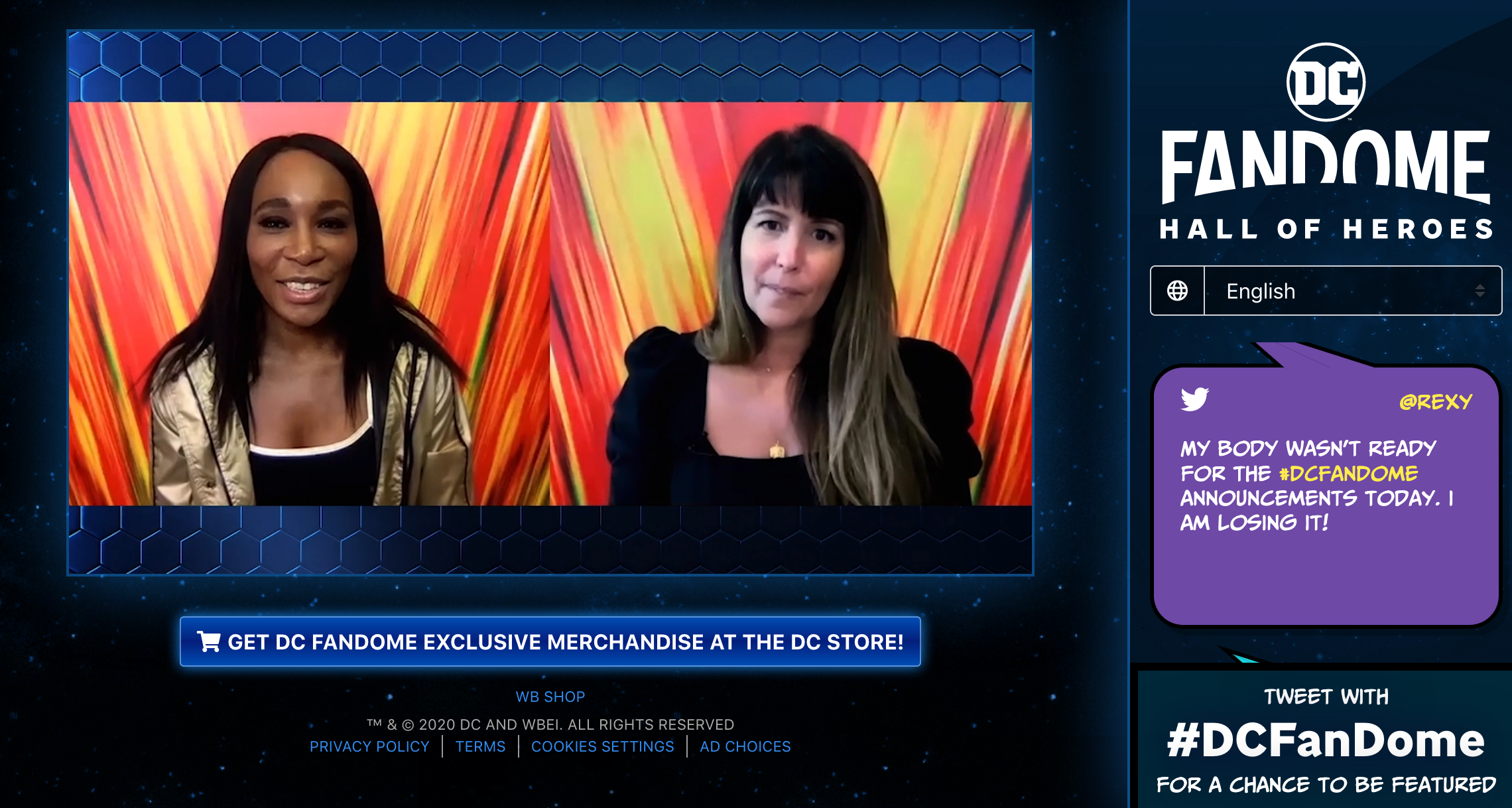
Figure 7. DC FanDome live stream. Screenshot by the author.
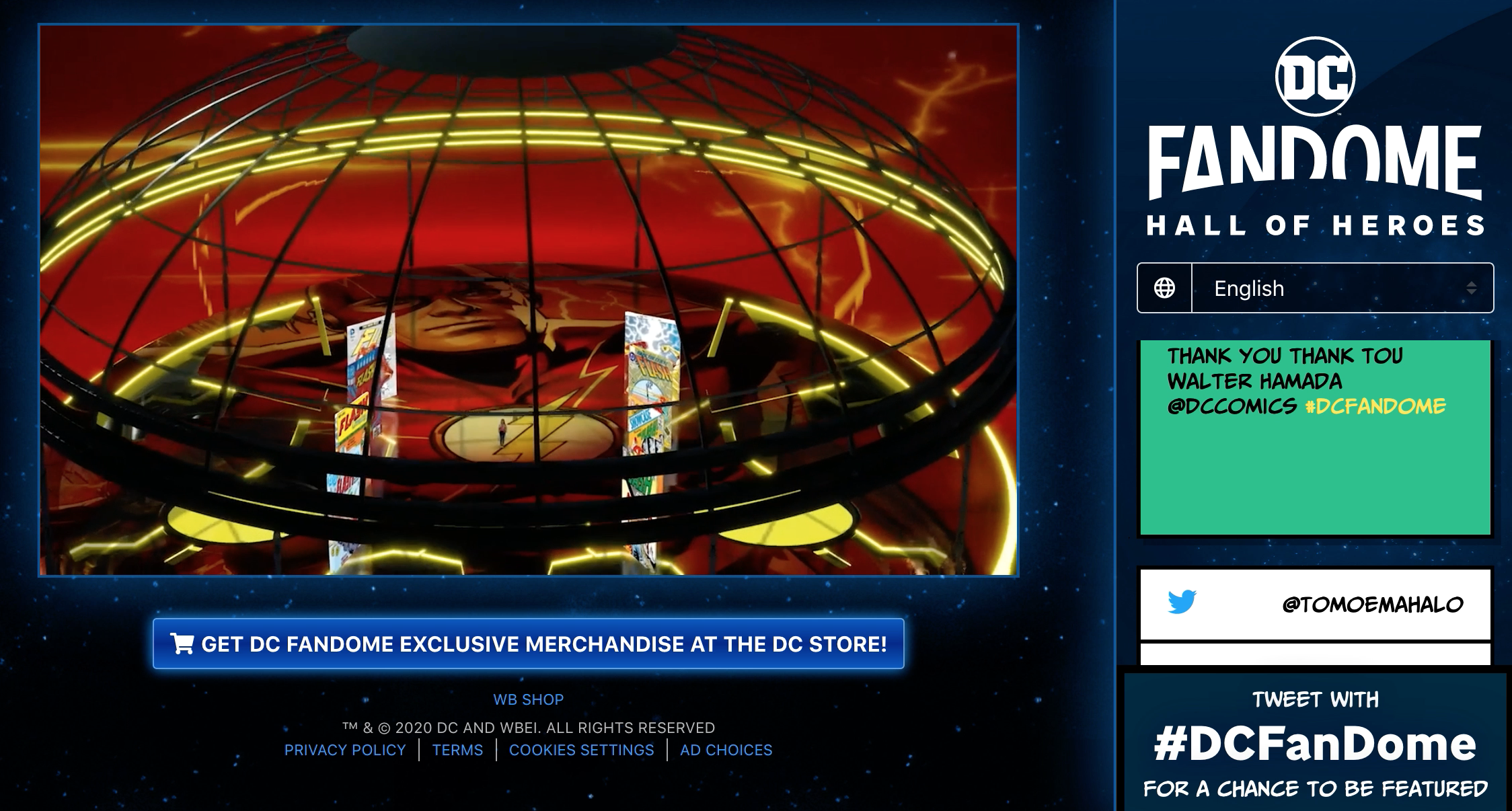
Figure 8. The virtual Hall of Heroes. Screenshot by the author.
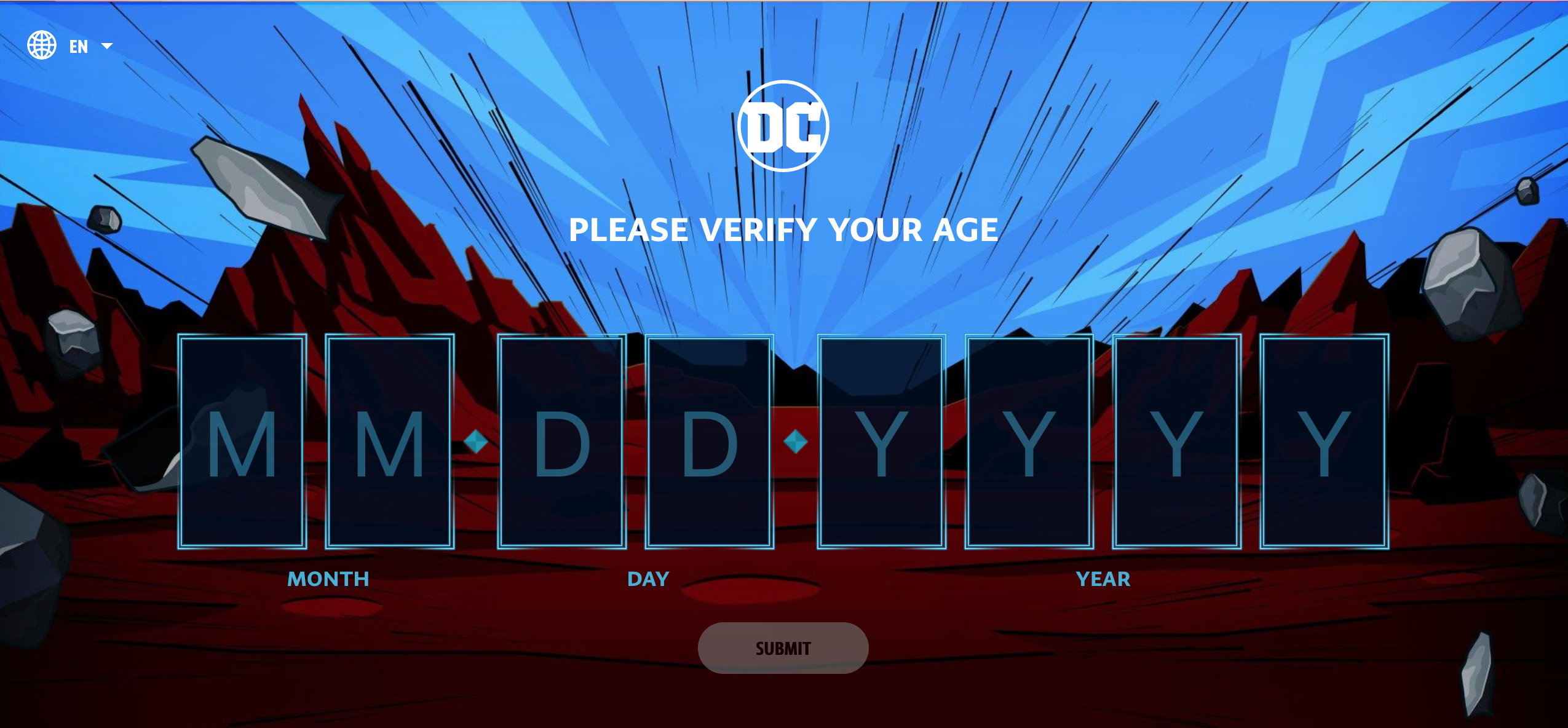
Figure 9. DC FanDome's landing page in 2021. Screenshot by the author.
[2.7] In 2021, stand-alone online events by previous SDCC stalwarts proliferated. DC FanDome once again took place in October, Netflix's WitcherCon happened in early July, and Netflix's Tudum, a global fan event, launched in September. Major retailers also hosted their own events, including Funko's FunKon (August), Hasbro Pulse Con (October), and LegoCon (June). FX and Amazon did not create any fan events. Dragon Ball (https://en.dragon-ball-official.com/special/sdcc2021) remained as the lone virtual activation officially affiliated with Comic-Con@Home. Creating an elaborate 3D shopping experience, Dragon Ball's activation retained an emphasis on space but deviated from the promotion-only function of most other activations by foregrounding the sale of action figures and games (figure 10). The shop also included a link to the Dragon Ball SDCC panel, which became the most-viewed panel by the end of the convention, reaching 234,000 views by July 28, 2021 (in comparison, The Walking Dead (2010–present), a fan favorite at SDCC, received 93,000 views).
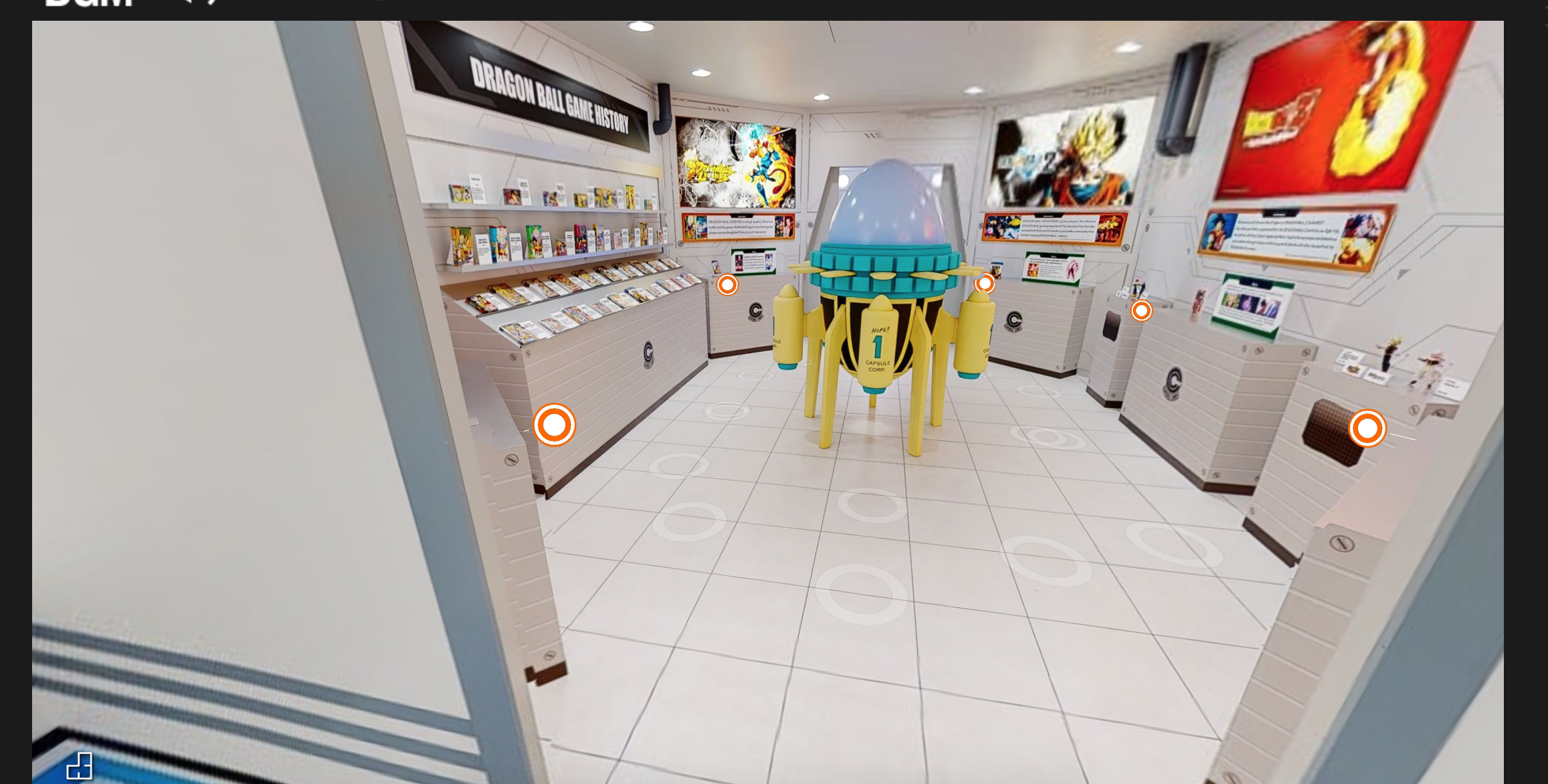
Figure 10. A view of Dragon Ball's 2021 3D store. Screenshot by the author.
3. Fans' reactions to activations
[3.1] While fans embraced Comic-Con@Home in 2020, they did not pay much attention to virtual activations. Fans' lack of interest suggests that activations that emphasize immersion and interactivity cannot be successfully replicated online, or at least not in the short turnaround time that companies had to reconfigure their planned in-person events into virtual activations. At a time when the sprawling worlds of AAA video games offer enticing verisimilitude and immersion, the simple game mechanics and graphics in Guillermo's Stakeout do not measure up. Instead of engaging with the virtual spaces of online activations, fans reminisced about their favorite spots in and near the San Diego Convention Center. For example, in a July 25, 2020, thread, Twitter user Anysia (@aisyna) shared that what they missed the most was not the panels—the core feature of Comic-Con@Home—but "all those weird moments you experience walking around the convention center at any hour." Tweets like this underline that for many fans, the shared communal experience anchored in the convention center is central to SDCC. Panels and activations change from year to year, but the space of the convention center remains a constant. Considering fans' fondness for the building that hosts SDCC, it is perhaps unsurprising that more than any of the virtual activations, a video released by the San Diego Convention Center attracted fans' attention. Stating that "we are the building, but you are Comic-Con," the video featured interior and exterior shots of the convention center during previous cons and elicited emotional reactions from fans, such as "I literally started to tear up," "Excuse me while I cry at work," and "I'm crying over missing a building" (figure 11). Fans' love for the convention center also manifested in their desire for a pin featuring the distinct roof of the convention center with the line "I miss SDCC" beneath it. The pin became one of the fastest-selling exclusives of Comic-Con@Home 2020.
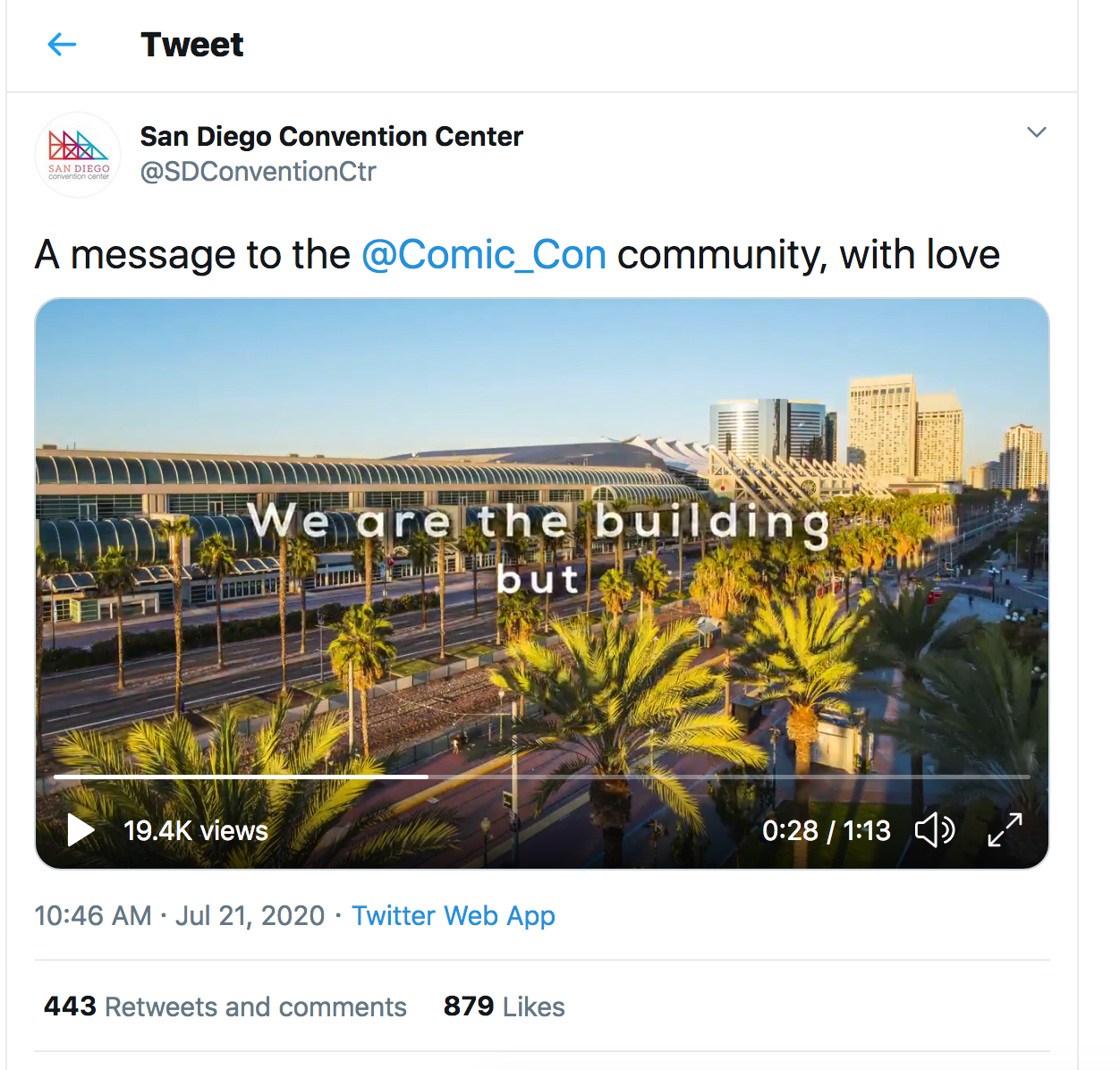
Figure 11. SD Convention Center 2020, https://twitter.com/SDConventionCtr/status/1285632280409628672. July 21, 2020. Screenshot by the author.
[3.2] The importance of downtown San Diego as the place that grounds fans' memories and experiences of SDCC also comes through in the SDCC Shrine (https://web.archive.org/web/20210720064235/https://sdccshrine.com/), which was put together by local fans on the fly in 2020 and expanded into an organized three-day event in 2021. The SDCC Shrine was a fan-organized in-person "offsite" (the fan term for an activation) that was set up near the Tin Fish restaurant, NBC's usual activation location across from the convention center. While the industry was only able to create virtual activations in 2020 and 2021, fans in San Diego were able to take over a location usually reserved for branded activations and created their own activation capturing memories of Comic-Con. The Shrine featured Comic-Con mementos like T-shirts, posters, personal photos, and the souvenir book (Saunders 2020). In 2021, a group of fans and cosplayers coming together as the SD Causeplayers worked with the San Diego Blood Bank to host a blood drive, a nod to the blood drive that traditionally takes place at Comic-Con (figure 12). Funko donated five hundred vinyl pops as gifts, the Tin Fish handed out french fries, and transit to the shrine was free for people giving blood. Much like with branded activations, SD Causeplayers and other visitors to the Shrine relayed their experience on social media, generating 266 tweets under the hashtag #SDCCShrine (Kohnen 2021). The 266 tweets suggest a close correlation between who visited and who tweeted about the Shrine if Shawn Richter, one of the Shrine's coorganizers, is correct in his assertion that the San Diego Blood Bank received 277 blood donations that weekend (@batcap50, July 26, 2021). This ratio differs sharply from brand activations, where social media posts far outweigh the number of activation participants. Brand activations are designed to generate social media conversations as posts, likes, and impressions are quantifiable measures of success of an activation. At SDDC, press and influencers are often the first to experience activations during an exclusive preview night in order to start buzz on social media. In contrast, the SDCC Shrine was created as a gathering spot for the local fan community without the goal of generating traction on social media. The desire to spend time together near the Convention Center and the adjacent Gaslamp Quarter also manifested in a small number of fans travelling to San Diego with the specific purpose of reliving Comic-Con memories, which once again underlines that SDCC means more to fans than the promotional content presented by the media industry, which was easily accessible via Comic-Con@Home's YouTube channel.
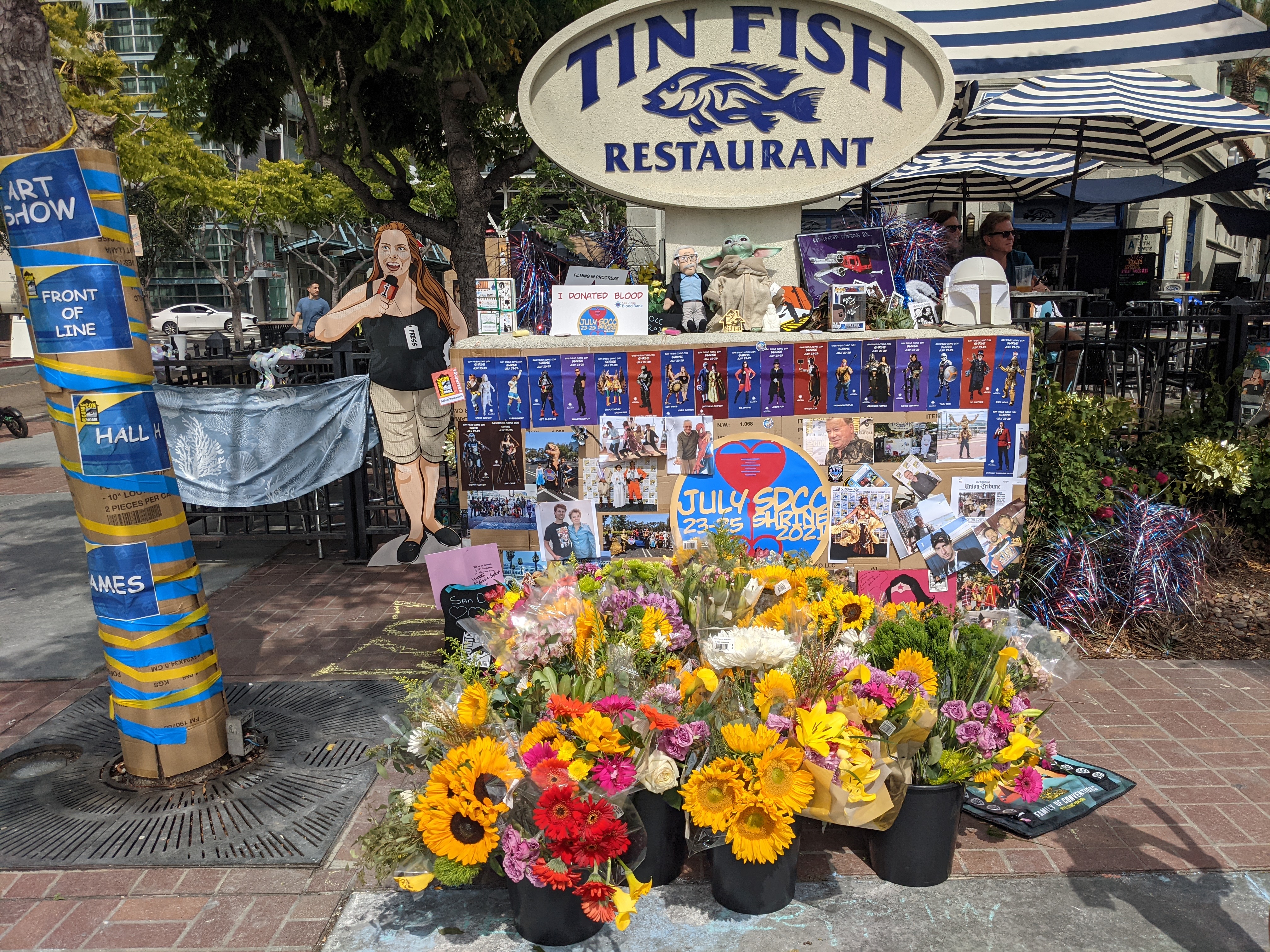
Figure 12. SDCC Shrine 2021. Photo by Shawna Kidman. Used with permission.
4. A return to activations and larger implications
[4.1] In 2020 and 2021, when SDCC shifted online, brand activations followed suit but increasingly detached themselves from a direct affiliation with Comic-Con and began hosting their own direct-to-fans online events, often to great success in terms of social media buzz and fan engagement. With the return to an in-person Comic-Con in 2022, activations are poised to return to San Diego as well. The resurgence of in-person activations at Comic-Con: Special Edition in November 2021 and at SXSW 2022 suggests that activations persist, and that marketers, like fans, believe that the localized, in-person experience is crucial to activations. Companies like Amazon that did not follow the turn toward online, in-house fan events have resumed their elaborate in-person activations, if their appearance at SXSW is an indication of what one can expect at SDCC 2022.
[4.2] At the same time as in-person activations experience a resurgence, branded virtual cons may also persist. A look at the gaming industry is instructive in this context. While E3 (Electronic Entertainment Expo) took on a similar role to SDCC for many years in bringing together industry professionals and fans in Los Angeles for the latest in game news and development, the convention has canceled the last three years of in-person events (Valentine 2022) and may not return. Direct-to-fans events like Nintendo Direct (beginning in 2011), Playstation State of Play (beginning in 2019), and Xbox Showcase moved to the center of each brand's global marketing efforts, and former E3 host Geoff Keighley launched his own online Summer Games Fest to much positive reception (Shanley 2021). DCFanDome and Tudum were major successes when measured in viewing numbers and social media impressions (D'Alessandro 2021; Yuma 2021). While neither Warner Bros./DC Comics nor Netflix have announced 2022 versions of their online fan cons, their previous successes could indicate a continuation of them.
[4.3] Whether activations continue to exist as largely in-person events or become integrated into branded online fan conventions, the collection of fan data remains a core goal. Discussing FX Unlocked in 2020, marketer Ryan Coan predicted that a return to in-person activations would see a stronger integration of digital and physical layers, thus combining the ease of online data collection with the appeal of in-person immersive experiences (quoted in Zelaya 2020). CBS's announced hybrid activation at SDCC 2022 exemplifies this strategy: as a promotion of the sitcom Ghosts (2021–present), the activation features an in-person component and the online "Metaverse Woodstone Mansion," a 3D virtual space that fans can explore (Bradley 2022). While the virtual space mostly addresses fans who are not able to be at SDCC, one can also imagine fans in line in San Diego exploring the online mansion as the wait times for SDCC activations can extend to several hours.
[4.4] The closer connection of online and off-line spaces is also Amazon's goal. According to Ukonwa Ojo, Chief Marketing Officer for Prime Video/Amazon Studios, Amazon's 2022 SXSW activation targeted hardcore fans intent on experiencing the world of select Prime Video shows and influencers who would document the activation for their own fans and followers (quoted in Boorstin 2022). The value of activations is about bridging in-person experience and social media platforms with the ultimate goal of leading people to Prime Video's programming and then to other segments of Amazon's brand. In Ojo's words, "after the credits, you have the opportunity to sample Amazon Music…to shop on Amazon.com…to live stream on Twitch" (quoted in Boorstin 2022). The use of Amazon Prime Video as touchpoint for the entire brand has been a core strategy for Amazon (Petruska 2018). Ojo omits that guiding fans toward the entirety of Amazon's family of brands is only partially the goal. In addition, tracking fans both in the space of the activation and on Amazon's websites is equally important.
[4.5] As Nicholas Carah and Sven Brodmerkel have argued, activations function as brand atmospheres that depend on location-based, in-person experiences and on digital technologies like smart phones and RFID tags (2020). The collection of first-party data and the translation of human experience into machine-readable data via social media platforms—data that can be analyzed for targeted digital advertising—are crucial components of activations. While scholars and journalists have discussed the practice of extracting user data on behalf of brands as part of the increasing platformization of the web and as central engine of the social media economy, activations demonstrate how physical spaces and events like SDCC function like online platforms and have become a key strategy for brands to initiate or increase fan loyalty.